

Coastal Steward Volunteer: Cindy Frank
For more than a decade, Cindy Frank has been a driving force behind a unique outdoor education and native plant restoration project at Flour Bluff ISD Intermediate School, transforming once-bare school grounds into thriving native landscapes that serve as living classrooms for students, educators, volunteers, and the community.
What began as a single 5,000-square-foot patch of sticker burr has grown into a dynamic network of nature gardens located throughout the campus. The project now includes a 5,000-square-foot fenced Nature Garden, an entry garden, a patio garden, and approximately 6,000 square feet of forested habitat. More than 150 species of native and naturalized South Texas plants have been established throughout these spaces, creating habitat for pollinators, reptiles, birds, and mammals while providing students with year-round opportunities to learn about the natural world.
Cindy’s vision has been to make the school grounds more than simply landscaped spaces—they are living laboratories for outdoor education. Students can explore native plants and their importance to local wildlife through hands-on experiences, interpretive signage, and instruction. The gardens have also become a resource for native plant education, hosting plant identification classes and training opportunities for Texas Master Naturalists and members of the public.
The success of the project is rooted in collaboration. Cindy has brought together South Texas Master Naturalists, Flour Bluff students and faculty, parents, high school National Honor Society and Science National Honor Society members, and Intermediate School Junior Master Naturalists. Through regularly scheduled workdays and planning meetings, this dedicated team has planted, maintained, repaired, and expanded the gardens over the years. Early volunteers installed drip irrigation systems to help establish the plantings, and the native plants’ adaptations to the South Texas climate have allowed many areas to thrive without regular watering for years.
Cindy’s leadership has also inspired the project to expand beyond the Intermediate School. Seeing the success of the gardens, students and faculty throughout Flour Bluff ISD have developed additional garden spaces at the elementary school, while a new high school Nature Garden now mirrors the outdoor education model established at the Intermediate School. What began as one ambitious project has helped demonstrate the value and potential of incorporating outdoor education and native landscapes throughout the school district.
Beyond her work at Flour Bluff ISD, Cindy has dedicated thousands of hours to environmental education, conservation, and volunteer leadership throughout the Coastal Bend. As a longtime board member and Volunteer Projects Director for the South Texas Chapter of the Texas Master Naturalist Program, she has helped strengthen the chapter and develop a dependable corps of trained volunteers serving environmental organizations across the region. Over the past 12 years, Cindy has contributed more than 11,050 hours of volunteer service, averaging more than 900 hours each year.
Her service extends to organizations and programs throughout the Coastal Bend, including Padre Island National Seashore, the Port Aransas Nature Preserve, Nueces Delta Preserve, Oso Bay Wetlands Preserve, UT Marine Science Institute’s Patton Center, and Flour Bluff ISD. In 2025 alone, Cindy taught 2,386 students during field trips to the Nueces Delta Preserve and contributed hundreds of additional hours to resource management, public outreach, environmental education, and Master Naturalist chapter operations.
Perhaps Cindy’s greatest contribution is her ability to inspire others to become environmental stewards themselves. Through her teaching, mentorship, leadership, and willingness to bring people together, she has helped develop generations of students and volunteers who understand the value of South Texas’ native plants, wildlife, wetlands, and coastal ecosystems.
Cindy Frank’s work demonstrates that conservation can begin anywhere—even in a schoolyard. By transforming ordinary school grounds into thriving native habitats and outdoor classrooms, she has created a lasting legacy of education, stewardship, and community involvement that will continue to benefit Flour Bluff students and the Coastal Bend for years to come.
Coastal Steward Professional: Stephanie Tierce
Sink Your Shucks Project Manager
University of Texas A&M – Corpus Christi, Harte Research Institute
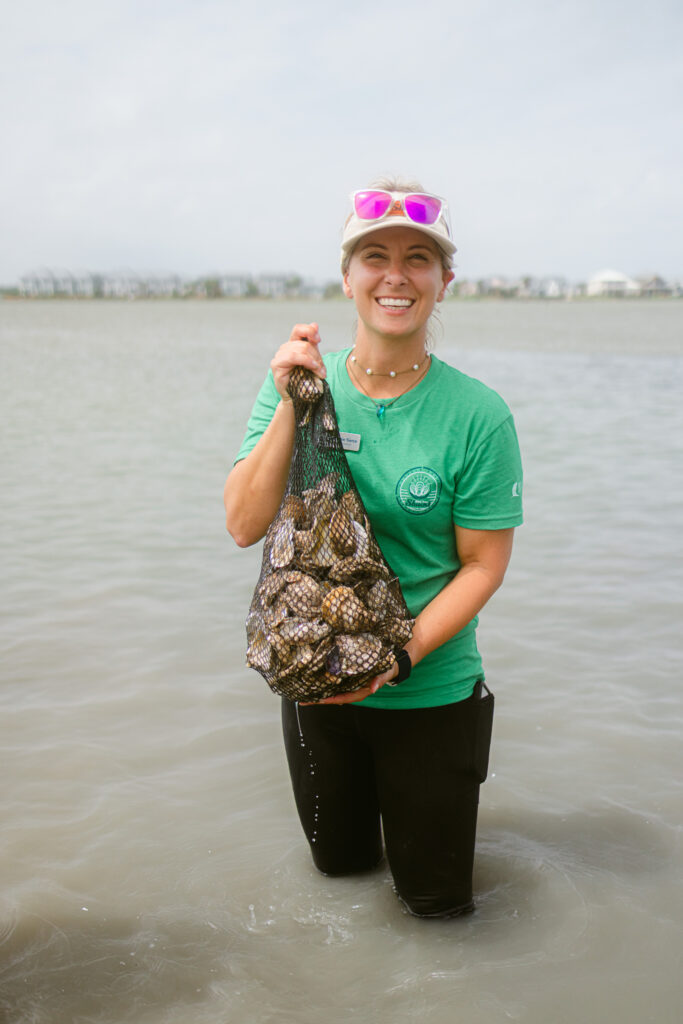
Stephanie Tierce is being recognized for her outstanding leadership in transforming Sink Your Shucks from an oyster shell recycling program into a thriving community-driven conservation effort that is helping restore and protect Texas bays.
Sink Your Shucks collects discarded oyster shells from restaurants, festivals, and oyster farms and returns them to Texas bays, where they provide valuable habitat for future generations of oysters. Under Stephanie’s leadership, the program has grown tremendously, recycling more than 3.5 million pounds of oyster shell and expanding its network of restaurants, oyster farmers, businesses, schools, volunteers, and community organizations throughout the Coastal Bend and beyond.
Stephanie’s greatest innovation is her ability to make conservation personal. Rather than simply asking people to recycle oyster shells, she creates opportunities for them to become active participants in restoring Texas bays. She has built meaningful relationships with restaurant owners, volunteers, educators, community partners, and businesses throughout Corpus Christi, Rockport, Lamar, and surrounding communities. Her outreach has even expanded beyond the coast, with partnerships supporting shell recovery in San Antonio and Austin and creating opportunities to bring additional communities into the effort.
Stephanie is known for her fearless approach to outreach. Whether she is meeting a restaurant owner for the first time, speaking with students, working alongside volunteers, talking with elected officials or reporters, or representing Sink Your Shucks at a community event, she brings genuine enthusiasm and a deep commitment to the mission. Her ability to make complex restoration science approachable has helped people understand how a simple action—recycling an oyster shell—can contribute to healthier bays and stronger coastal ecosystems.
Her impact extends well beyond the number of shells collected. Under her leadership, restaurant participants have become champions for the program, volunteers return year after year, community partners actively share the mission, and students and families have developed a deeper connection to the health of their local bays. Stephanie has created a network of people who don’t simply participate in Sink Your Shucks—they feel ownership of its success and become advocates for coastal conservation themselves.
Stephanie has also helped elevate Sink Your Shucks to statewide and national attention, including recognition through Texan by Nature and coverage in national media. More importantly, she has built a program designed for long-term sustainability, continually seeking new partnerships, new communities, and new opportunities to expand oyster shell recycling and coastal stewardship.
Through her leadership, vision, and infectious enthusiasm, Stephanie Tierce has demonstrated that meaningful conservation is not only about restoring habitat—it is about bringing people together to care for the places they call home. Her work has created a lasting community of advocates for Texas bays and strengthened the connection between people and the coastal environment they are helping to restore.
Business: Gill Garden Center + Landscape Co.
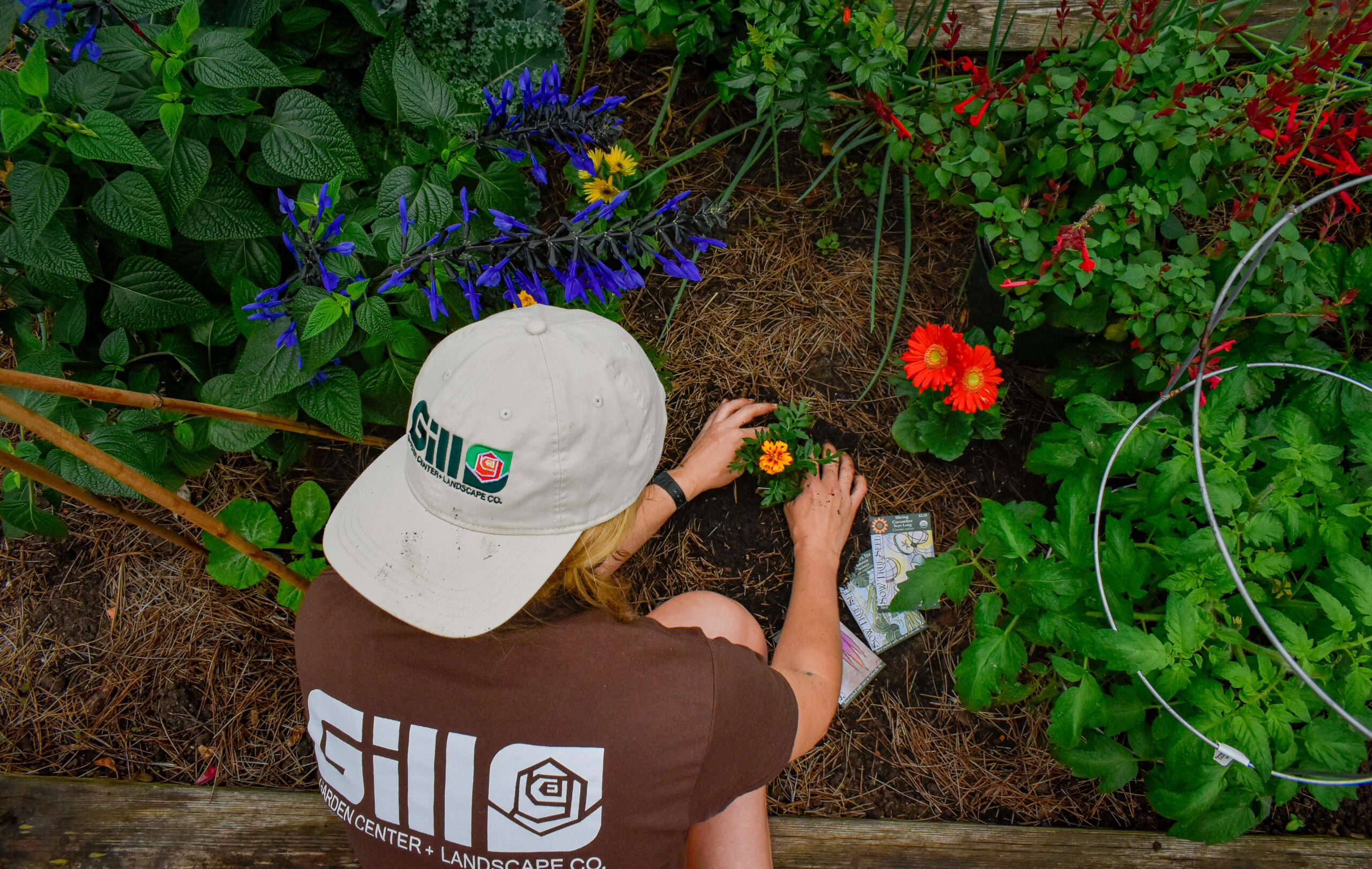
Gill Nursery is being recognized for its ongoing commitment to sustainable landscaping, water conservation, native plants, and environmental education throughout the Coastal Bend community.
As a local business, Gill Nursery has made sustainability an important part of its everyday operations. The nursery encourages customers to return and recycle used nursery pots and recycles its own pots whenever possible. The business also makes efforts to reuse and recycle soil, stone, and other landscape materials, helping reduce waste and extend the useful life of valuable resources.
Water conservation is another key part of Gill Nursery’s environmental efforts. The nursery promotes water-harvesting projects for homeowners and businesses, encourages the use of low-water plants and groundcovers, and works with irrigation companies to help design and implement slow-drip irrigation systems that provide more efficient watering. Through these efforts, Gill Nursery helps customers create landscapes that are both beautiful and better adapted to the region’s water needs.
Gill Nursery also plays an important role in promoting native plants and sustainable gardening practices. The nursery hosts workshops and community events and partners with organizations such as the Native Plant Society to educate residents about native plants that require less water and maintenance while providing important habitat and food sources for pollinators and birds. The nursery also emphasizes the use of organic fertilizers, compost, and natural pest-control methods to reduce reliance on chemical products.
Supporting the local community is central to Gill Nursery’s work. The nursery offers free educational workshops covering topics such as planting and caring for native plants and trees, growing vegetable gardens, and maintaining healthy landscapes. Staff members also provide resources and guidance to community members with questions about their plants and gardening needs.
Gill Nursery extends this commitment through support of local schools and community organizations, providing donations to schools and clubs involved in gardening and plant-related activities. The nursery also works with local growers to source plants, strengthening connections within the local horticultural community.
Through its combination of sustainable business practices, water conservation efforts, native plant promotion, community education, and local partnerships, Gill Nursery demonstrates how a private business can make environmental stewardship part of its everyday operations while helping its customers and community do the same.
Coastal Steward Educator – K-12: Gaylann Speegle
H.G. Olsen Elementary School, Port Aransas, Texas — Oceans Week Coordinator
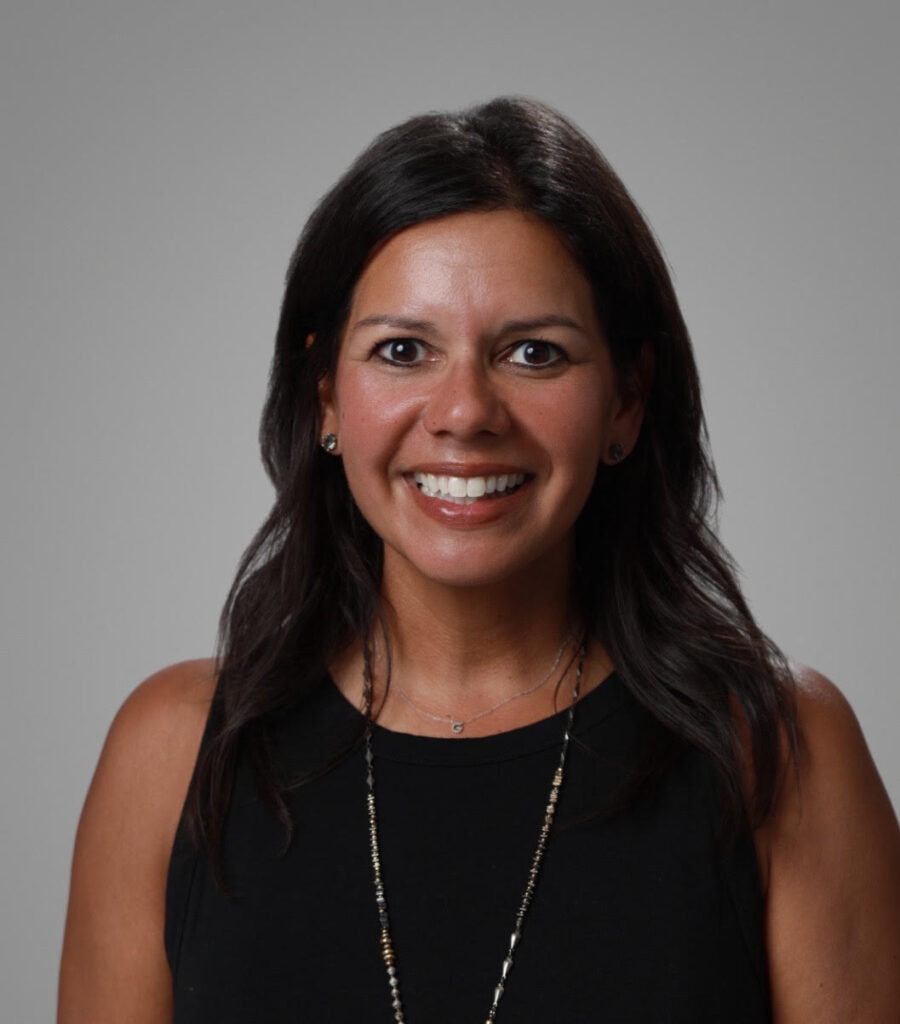
Gaylann Speegle is being recognized for her dedication to environmental education and her leadership in creating meaningful, hands-on learning experiences for students at H.G. Olsen Elementary School in Port Aransas.
As the coordinator of Oceans Week, a week-long celebration focused on the oceans, bays, and estuaries of the Coastal Bend, Gaylann has helped connect students with the environmental issues that directly affect their community. Although coordinating Oceans Week is not part of her role as a District Dyslexia Specialist, Gaylann stepped into the position with enthusiasm and, during her first year as coordinator, created an especially memorable experience for fourth-grade students.
One of the highlights of Oceans Week was bringing the Texas Surf Conservancy’s free “The Science of Oysters” program to all fourth-grade students. Taking advantage of the school’s unique location in Port Aransas and its proximity to a local oyster farm, Gaylann went above and beyond to secure permission for students to participate in a special boat trip to the farm. Students had the opportunity to learn firsthand about oyster mariculture, explore oyster anatomy and vocabulary, participate in an oyster-themed bingo activity and craft, and even sample fresh oysters on the half shell.
Gaylann’s commitment to providing this experience extended well beyond simply coordinating a field trip. She worked with Texas Surf Conservancy staff to organize rotating student groups so that every student could participate in both classroom and hands-on activities. She also secured sponsorship for the boat tour by reaching out to a local dolphin-tour business, ensuring that the entire experience remained free for students and their families.
The result was an engaging environmental education experience that allowed students to move beyond the classroom and experience marine science firsthand. Rather than simply learning about oysters from a textbook, students were able to see how oysters are raised, understand their role in the marine environment, and connect their classroom learning to the waters surrounding their own community.
Gaylann is already looking toward the future. She plans to continue working with the Texas Surf Conservancy to bring “The Science of Oysters” to students throughout the school during the 2026–27 school year. She also plans to work with the Port Aransas Education Foundation to pursue grant funding that could make the oyster farm boat tour a recurring environmental education experience for every fourth-grade class.
While measurable student outcomes have not yet been formally collected, plans are in place to conduct student questionnaires during the 2026–27 school year to better evaluate the program’s educational impact. The long-term vision is to establish sustainable funding for the oyster farm experience so that future generations of H.G. Olsen students can continue to benefit from this unique opportunity.
Gaylann’s willingness to take on a role outside her formal responsibilities demonstrates her genuine commitment to her students and to the environment they call home. Through Oceans Week, she has helped show students that environmental education can be exciting, interactive, and directly connected to their own community.
Her leadership has strengthened partnerships among the school, Texas Surf Conservancy, local businesses, and the Port Aransas community while creating an experience that students will remember long after the school year ends. Gaylann Speegle exemplifies the power of a dedicated educator to turn a classroom lesson into an opportunity for discovery, connection, and lifelong environmental stewardship.
Coastal Steward Educator – Higher Education: Grant Lockridge
Research Engineer & Manager, Ocean Technology Workshop
University of Texas Marine Science Institute
Grant Lockridge, a research engineer and manager of the Ocean Technology Workshop at the University of Texas Marine Science Institute (UTMSI), is being recognized for his commitment to hands-on education, innovation, and inspiring the next generation of marine scientists and engineers.
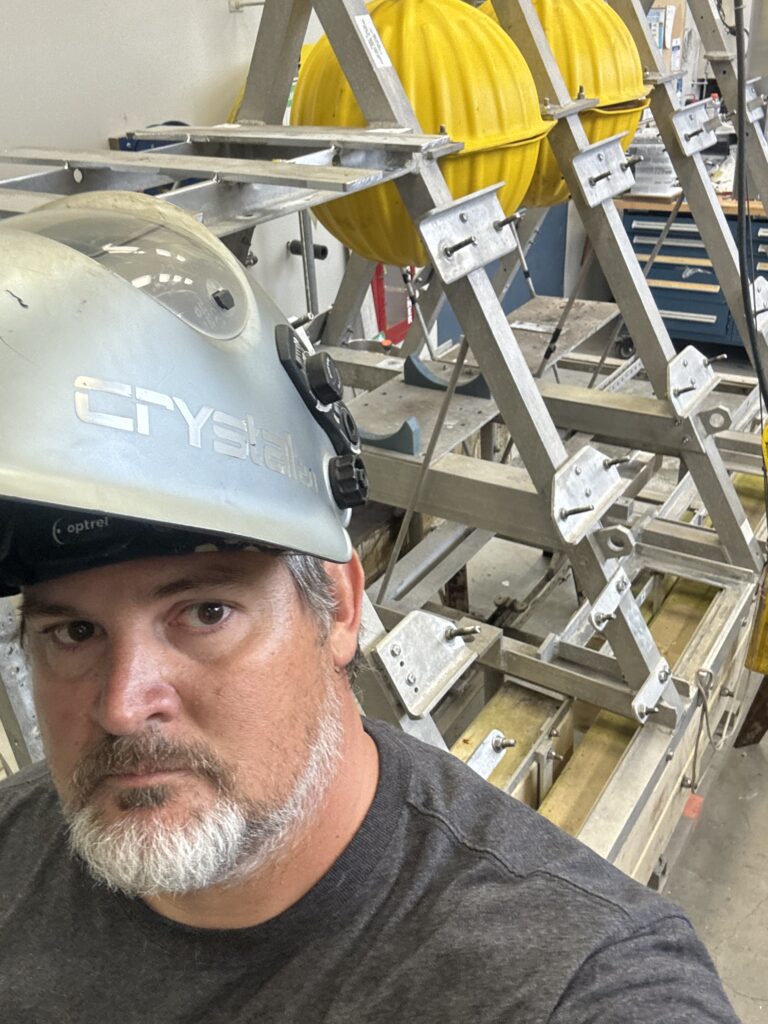
Lockridge developed a unique collaboration with the Port Aransas High School Innovation Lab, giving students the opportunity to contribute directly to a UTMSI deep-sea research project. Working alongside Lockridge, students in the school’s advanced design class helped modify, fabricate, and weld components for a deep-sea benthic lander—a sophisticated piece of equipment designed to collect data from the ocean floor over the course of a year.
The project provided 12 students with an experience rarely available in a high school setting: the opportunity to contribute to real-world oceanographic research. Before beginning their work, students learned how the lander operates, including the principles of weight and buoyancy, the scientific and engineering considerations behind instrument placement, and how the various components must work together. They also developed advanced welding and fabrication skills while working collaboratively to complete a complex engineering project under strict time constraints.
The completed lander is deployed from a research vessel, slowly descending to the seafloor where it collects valuable data about seasonal changes in deep-sea environments. Students were able to see firsthand how scientists and engineers collaborate to design technology that allows researchers to explore and better understand our oceans.
The impact of the project extended beyond the 12 students directly involved. Other Port Aransas High School students followed the lander’s progress during the approximately two months it was housed in the Innovation Lab, gaining insight into the research and engineering process. The experience also opened doors beyond the classroom, with one participating student going on to further develop his fabrication skills through summer work at UTMSI.
What makes Lockridge’s work particularly meaningful is the way it expands the traditional approach to marine education. Rather than focusing solely on marine animals or conservation topics, the project highlighted the engineering, technology, and problem-solving challenges involved in exploring the ocean. For students pursuing engineering, technical careers, or skilled trades, it demonstrated how their practical skills can play an important role in answering scientific questions and advancing our understanding of the deep sea.
Through this collaboration, Grant Lockridge has helped bridge the gap between classroom learning and real-world marine research, providing students with meaningful technical experience and showing them that their skills can contribute to the exploration and stewardship of our coastal and marine environments.
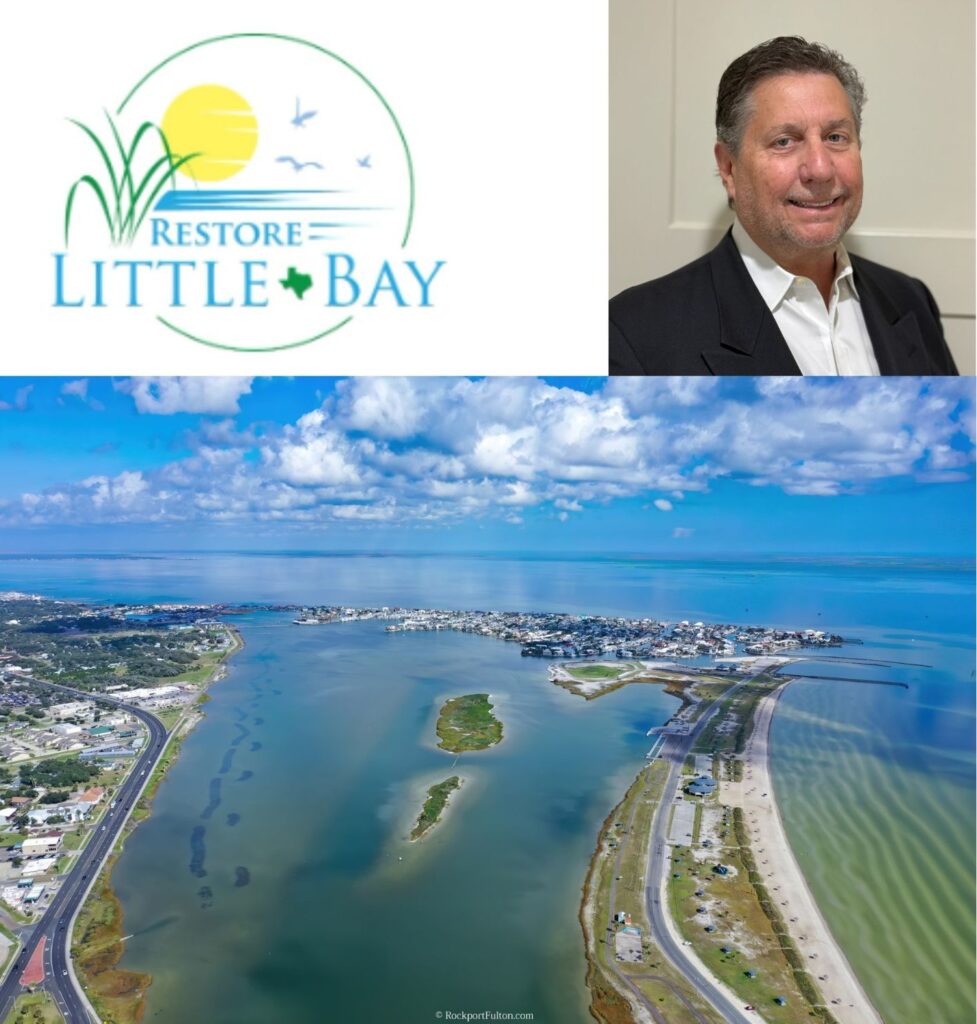
Non-Profit Organization: Restore Little Bay Foundation
The Restore Little Bay Foundation, led by Dr. Gary Guillory, is spearheading an ambitious effort to restore the ecological health of Little Bay and improve the resilience of this important Coastal Bend estuary. The project has been designated as Tier 1 Project 9059 under the 2023 Texas Coastal Resiliency Master Plan, recognizing its importance to the region’s long-term coastal resilience.
At the heart of the restoration effort is a clear and measurable goal: reducing Little Bay’s water circulation time from approximately 47 days to 15–17 days. Improving circulation is expected to reduce pollutant concentrations and support the recovery of estuarine water quality, coastal wetlands, submerged aquatic vegetation, and oyster reefs. The full restoration project represents a $14 million investment and is projected to provide a 3:1 benefit-to-cost ratio over 50 years.
The Foundation’s work is grounded in collaboration and adaptability. Dr. Guillory and the Restore Little Bay Foundation work closely with organizations including the Coastal Bend Bays & Estuaries Program and the Harte Research Institute, while a four-party Memorandum of Understanding with the City of Rockport, Aransas County, Town of Fulton, and Aransas County Navigation District provides long-term institutional support for the project. When the team discovered that key engineering documents submitted during the application process applied to a different site than intended, they adapted the project scope rather than allowing the setback to delay progress.
Long-term sustainability is also built into the project’s funding and implementation strategy. A phased approach involving TCEQ, GLO GOMESA, and USACE funding is designed to create a continuous pipeline supporting engineering, monitoring, and habitat restoration work. This structure helps ensure that restoration efforts can continue beyond any single grant or funding cycle.
The Restore Little Bay Foundation also places a strong emphasis on public education and community awareness. Dr. Guillory has led educational workshops explaining the science behind Little Bay’s decline and the restoration strategy, while the Foundation shares project information and progress through restorelittlebay.org and social media videos. Through science-based education, collaboration, and a long-term commitment to restoration, the Restore Little Bay Foundation is working to improve the health and resilience of Little Bay for generations to come.
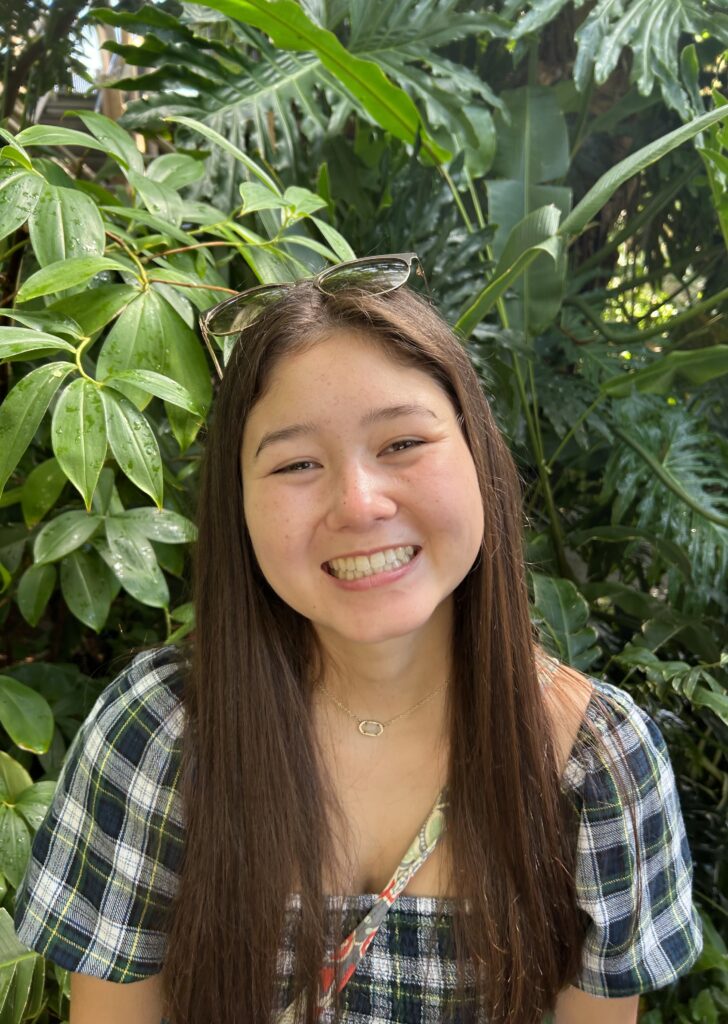
Student Rising Star – Higher Education: Megan C. Do
See the Sea: CC Scholars Program
University of Texas Marine Science Institute
Megan is being recognized for her leadership in creating and launching See the Sea: CC Scholars, an innovative mentor-mentee partnership between the University of Texas at Austin Marine Science Institute (UTMSI) and Flour Bluff High School (FBHS) designed to create a direct pathway for local students into marine science education and careers.
The CC Scholars program provides select high school seniors with an immersive, semester-long experience in ocean science. Students work alongside academic mentors from UTMSI on authentic marine research projects, developing skills in environmental science, research methodology, data analysis, scientific communication, and advocacy. Rather than learning about marine science solely through traditional classroom lessons or field trips, students become part of a real research environment and study the coastal waters and ecosystems in their own backyard.
One of the program’s most innovative features is its integration of high school and university education. Students have the opportunity to earn course credit toward both their high school diploma and a UT Austin transcript, creating an important bridge between secondary education, higher education, and future careers in marine science.
Megan has been instrumental in turning the initial concept for CC Scholars into a functioning program. Starting with little existing infrastructure, she built the institutional partnership between UTMSI and FBHS, developed the curriculum, coordinated mentors, established student expectations and grading structures, and managed the complex logistics of operating a program across two institutions. She navigated everything from youth protection requirements and school technology restrictions to scheduling, transportation, online platforms, and the 25-mile distance between the participating institutions.
Through each challenge, Megan demonstrated resourcefulness, organization, and determination. She developed a program that not only serves its first cohort but was intentionally designed to continue growing. In its inaugural year, CC Scholars is providing four FBHS students and six mentors with an intensive research experience. The program’s framework is designed to expand to as many as 18 high school students and additional mentors over the next three years.
The students’ experience goes far beyond completing a research assignment. They learn the full scientific process—from developing a hypothesis and collecting data to conducting statistical analyses, interpreting results, writing scientific papers, and presenting their findings. Their semester culminates in a public symposium at UTMSI’s Patton Center, giving students the opportunity to share their research with the broader community.
Megan has also incorporated experiences that connect students to the larger Coastal Bend environmental community. Cohort activities such as boat trips, beach cleanups, and career days give students opportunities to interact with scientists, mentors, and other members of the local marine science community while developing a deeper understanding of the ecosystems they will one day help protect.
Perhaps most importantly, Megan designed CC Scholars with sustainability and growth in mind. She created reusable curriculum materials, grading rubrics, mentor commitment structures, and orientation resources that provide a foundation for future cohorts. Her work has already helped secure an additional $12,000 from the National Academies of Sciences, Engineering, and Medicine’s INSPIRE program to expand the initiative.
Megan’s commitment to environmental education extends well beyond CC Scholars. Alongside developing the program, she continues her own graduate research on nutrient fluxes in fishes and has presented her research at the Ecological Society of America’s annual meeting. She also regularly participates in public education and outreach activities at UTMSI, sharing marine science with students and community members through events and programs throughout the Coastal Bend.
Through See the Sea: CC Scholars, Megan is helping address an important need in the Coastal Bend: creating clear pathways for local students to see marine science as a viable educational and career opportunity. By connecting students with real research, university mentors, and the coastal ecosystems in their own community, she is helping develop a new generation of young scientists and informed advocates for the region’s marine resources.
Megan’s work demonstrates the lasting impact that can come from combining scientific expertise, innovative education, and a commitment to the community. What began as an idea has become a growing program with the potential to connect generations of Coastal Bend students to marine science and inspire them to become stewards of the waters they call home.
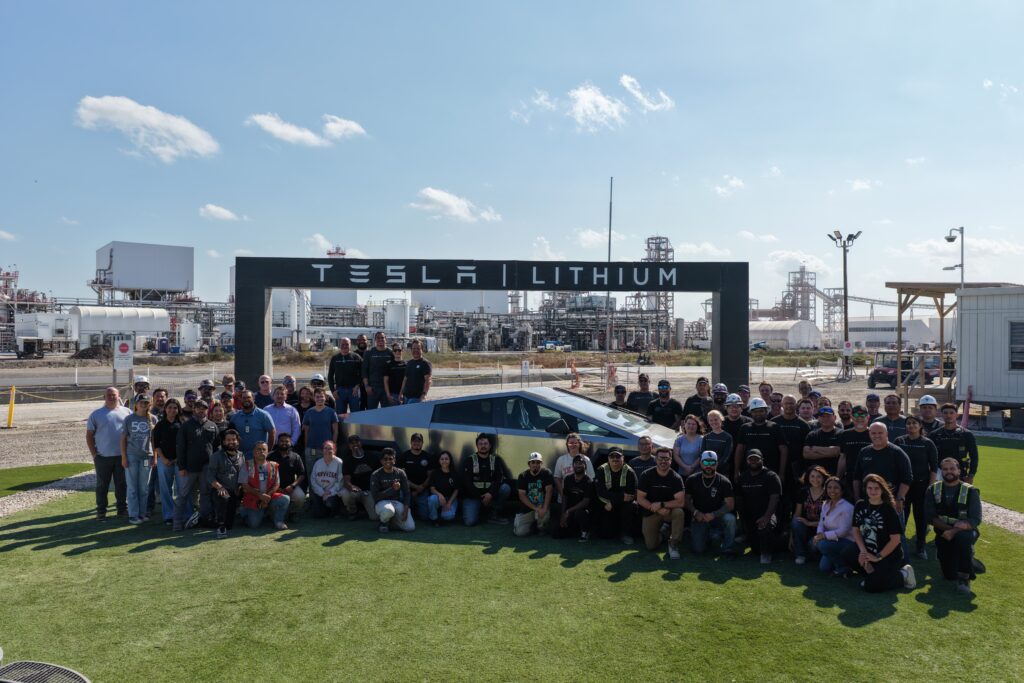
Industry: Tesla Gulf Coast Lithium Refinery
Tesla’s Gulf Coast Lithium Refinery is bringing a new model of sustainable industrial innovation to the Coastal Bend. Designed to produce approximately 20,000 metric tons of battery-grade lithium hydroxide monohydrate annually, the facility was developed with the goals of strengthening the domestic supply of a critical battery material, reducing the environmental footprint of lithium refining, and supporting the transition to sustainable energy.
At the heart of the refinery is the world’s first commercial-scale alkaline leach process, an innovative acid-free technology that eliminates the need for sulfuric acid, reduces processing steps and reagent use, and results in more than a 30% reduction in greenhouse gas emissions compared with traditional hard-rock lithium refining methods. The process also eliminates hazardous tailings, instead producing analcime, a benign co-product that can be used as a substitute for fly ash in concrete. The facility’s environmental performance has earned the International Lithium Association’s Product Carbon Footprint stamp, recognizing its lifecycle emissions performance.
Sustainability is incorporated throughout the facility’s design and operations. Extensive water recycling and real-time monitoring are designed to reduce freshwater impacts, with the refinery reporting a significant reduction in total water discharged compared with the industrial-standard acid-alkaline process. By pairing lower-emission processing with water conservation and beneficial use of a co-product, the refinery demonstrates how industrial development can incorporate environmental considerations directly into its operations.
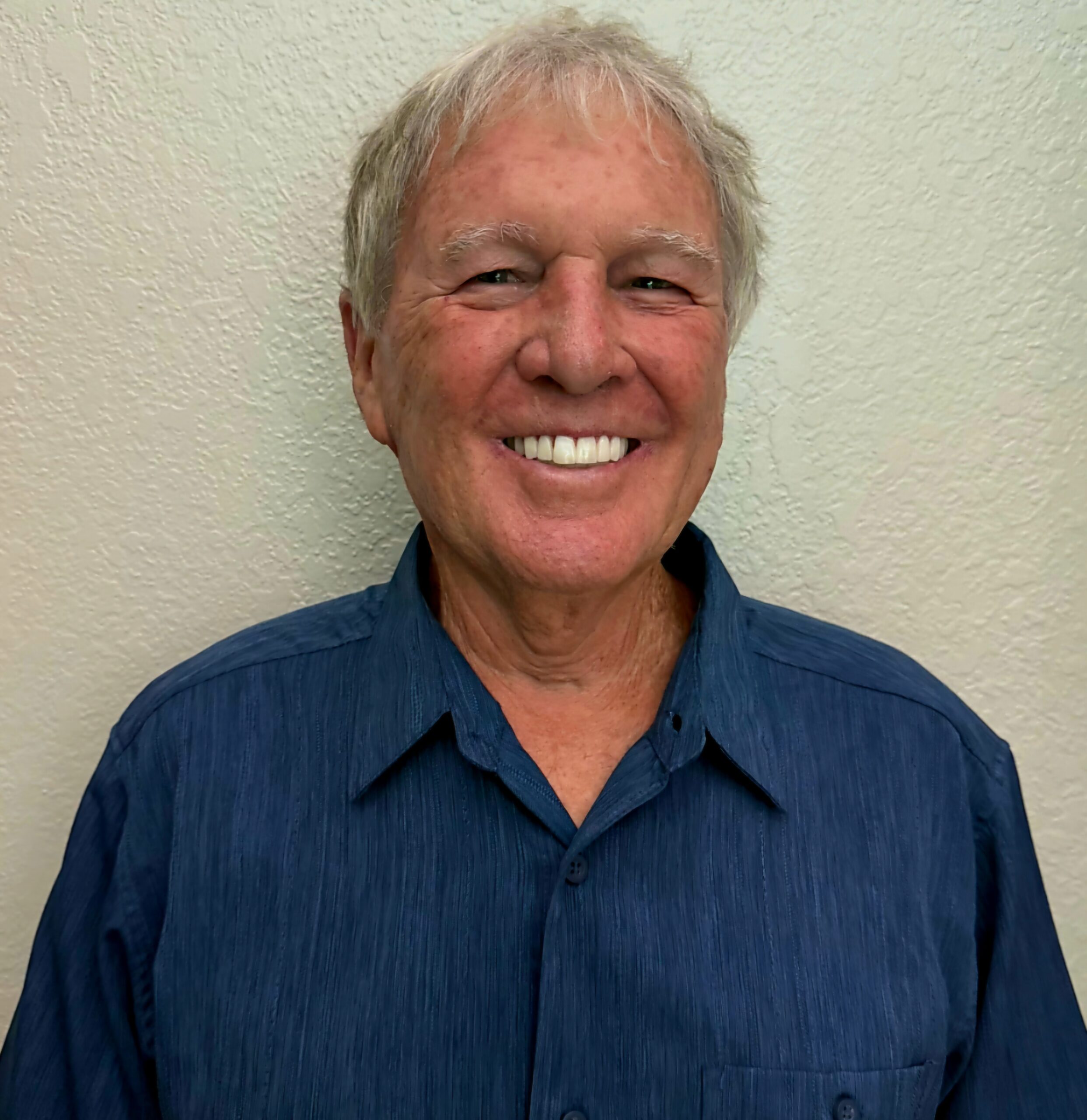
Legacy Award: Charlie Belaire
For more than five decades, Charlie Belaire has dedicated his life to understanding, protecting and restoring the coastal environment of Texas.
Born in Port Arthur in 1946, Charlie grew up playing in the marshes and bayous surrounding his home. There, he witnessed firsthand the ever-changing relationships between water, wildlife and habitat—what he calls his “first lesson in ecology.” That early curiosity became a lifelong passion.
Charlie’s distinguished career began as a Chemist with the Texas Parks and Wildlife Department Seabrook Marine Laboratory, where he investigated pollution incidents, fish kills and environmental violations and helped establish some of the state’s early environmental standards. He went on to build a nearly fifty-year consulting career, contributing to landmark projects in coastal restoration, beneficial use of dredged material, and environmental protection. His pioneering seagrass restoration in Texas created habitat for endangered brown pelicans, whooping cranes and piping plovers, developing oyster mitigation reefs from Galveston Bay to the lower Laguna Madre and serving as the U.S. Army Corps of Engineers mitigation and restoration contractor for 25 years. Charlie is the nation’s leader in seagrass restoration and has restored more than 20,000 acres of diverse habitat along the Texas coast. His projects include not only seagrass, but also estuarine and freshwater wetlands, as well as dunes, coastal prairies and forests.
But Charlie’s most enduring legacy may be the people he has inspired.
His daughters remember a father who turned everyday moments into lessons in science and stewardship—checking tides, counting pelicans along Aransas Bay, keeping records and encouraging them to ask questions about the natural world. Today, he shares that same curiosity with his grandchildren.
As his daughter Amy recalls, one morning while driving along Aransas Bay at sunrise, Charlie looked across the water and said, “Earth is showing off today, girls!”
It is a beautiful reflection of the legacy Charlie has created: not simply protecting the natural world, but teaching others to notice it, understand it, appreciate it—and ultimately, care for it.
The Coastal Bend Bays Foundation is honored to recognize Charlie Belaire as our 2026 Legacy Award recipient, celebrating a lifetime of environmental stewardship and the generations he continues to inspire.